Imagine you are walking down a familiar path, the sun is setting, and your mind is miles away, thinking and planning your next big project. Suddenly, you felt that the ground beneath you shifted, a hidden pebble, an uneven tile, or a missed step. In a split second, your world tilts.
That sharp, sickening “pop” followed by a hot flash of pain isn’t just a physical injury; it’s the moment your freedom of movement is hijacked. We often say, “You don’t know the value of water until the well runs dry,” and similarly, we rarely appreciate our ankles until a simple walk becomes a mountain to climb.
Ankle instability is a silent thief. It steals your confidence to run, your ability to play with your children, and even your peace of mind during a morning stroll. When your foundation is shaky, the whole building trembles. This is the problem many face, a cycle of recurring sprains that makes the body feel like a betrayal. But what if you could rebuild that foundation?
The Foundation of Your Freedom
Your ankles are the unsung heroes of your anatomy. They carry your entire body weight, absorbing the shock of every jump and the pivot of every turn. However, once the ligaments are stretched or torn, they often lose their natural ability to sense their own position, which is called proprioception. Without this, your brain doesn’t quite know where your foot is in space, leading to that wobbly and uncertain feeling.
If left untreated, poor ankle support can lead to:
- Chronic joint inflammation and early-onset arthritis.
- A “fear of falling” that limits physical activity.
- Pain in the knees, hips, and lower back.
- Weakened calf muscles and decreased athletic performance.
- Chronic Pain and Swelling.
- Reduced Mobility and Function.
The Solution: Stability Meets Support
The road to recovery isn’t just about rest; it’s about active protection. As the old proverb goes, “Prepare and prevent, rather than repair and repent.” Physiotherapy offers exercises to strengthen the muscles, but your body needs an ally during the healing process. This is where an Ankle Binder becomes your most trusted companion. It acts as a secondary set of ligaments, providing the external compression and limit to lateral movement that a basic ankle brace fails to do.
Mindful Tips for a Steadier Step
Recovering your stride requires a mix of patience and the right level of orthopedic support. Here is how you can reclaim your stability:
1. Wake Up Your Nerves
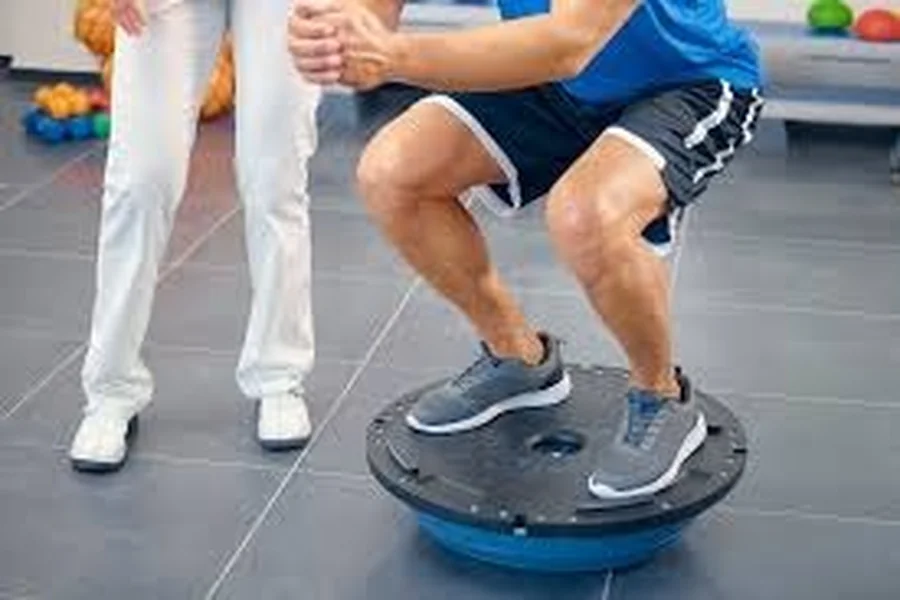
Balance exercises are the “brain food” for your feet. Try standing on one leg while brushing your teeth. This forced stability retrains the nerves in your joint. For added safety during these sessions, wearing an ankle binder belt helps support the joint. If you do wobble, it holds the ankle firmly in place and helps prevent re-injury.
2. Strengthen the Guardians
Your calf and peroneal muscles are the bodyguards of your ankle. Simple heel raises and toe curls can turn these muscles into a fortress. However, remember that “slow and steady wins the race.” Never rush into heavy weights without ensuring your joint is stabilized by reliable ankle support.
3. Compression is Your Best Friend
Swelling is the enemy of range of motion. An Ankle Binder uses medical-grade compression to keep inflammation at bay. By keeping the “fluid” out of the joint space, you allow the tissues to knit back together faster and with less pain.
Why Support Matters More Than You Think
There is an emotional weight to injury. The frustration of sitting on the sidelines while others run is heavy. Using an ankle binder belt is more than just a medical necessity; it is a psychological bridge. It gives you the “green light” to trust your body again. When you feel that snug, firm wrap around your heel and arch, your brain relaxes, knowing the foundation is secure.
How to Choose Your Guardian Gear
When looking for the perfect Ankle Binder, don’t just settle for a simple elastic sock. Your recovery demands medical-grade orthopedic design. Here are a few features that one should look for and choose that prioritize both comfort and function:
Figure-of-Eight Stitching: This mimics the natural taping used by sports physiotherapists to lock the heel in place.
Breathable Fabric: Since you’ll likely wear your ankle support for long hours. That is why choose the one crafted from dermophilic or breathable material that allows your skin to breathe and stay irritation-free.
Four-Way Stretch: This ensures that while the belt is firm, it doesn’t cut off your circulation, providing a “second skin” feel.
Your Shield Against the Strain
In the journey of physical health, your ankles are the foundation of every movement you make. This is why taking end-to-end care of your body by giving it the right support is an act of self-care. Regardless of the fact whether you are trying to beat your own record on the track or simply navigating the stairs at home.
A high-quality and medical-grade Ankle Binder bridges the gap between where your strength currently lies and where you want it to be. It simply gives you the confidence to face physical challenges by protecting your ligaments and your gait.
Therefore, when you add the right and expert’s trusted ankle support to your daily routine, it not only protects your body, but it also ensures that your life story remains one of movement rather than restriction.
Conclusion
True strength is built on a foundation of safety. Therefore, when you choose to wear an ankle binder belt, you are choosing longevity over ego and stability over risk. Remember, “a house built on sand cannot stand,” and a body without a supported foundation cannot reach its peak potential. So, listen to your body, give it the support it deserves, and move forward with the unwavering confidence that you are protected from the ground up.