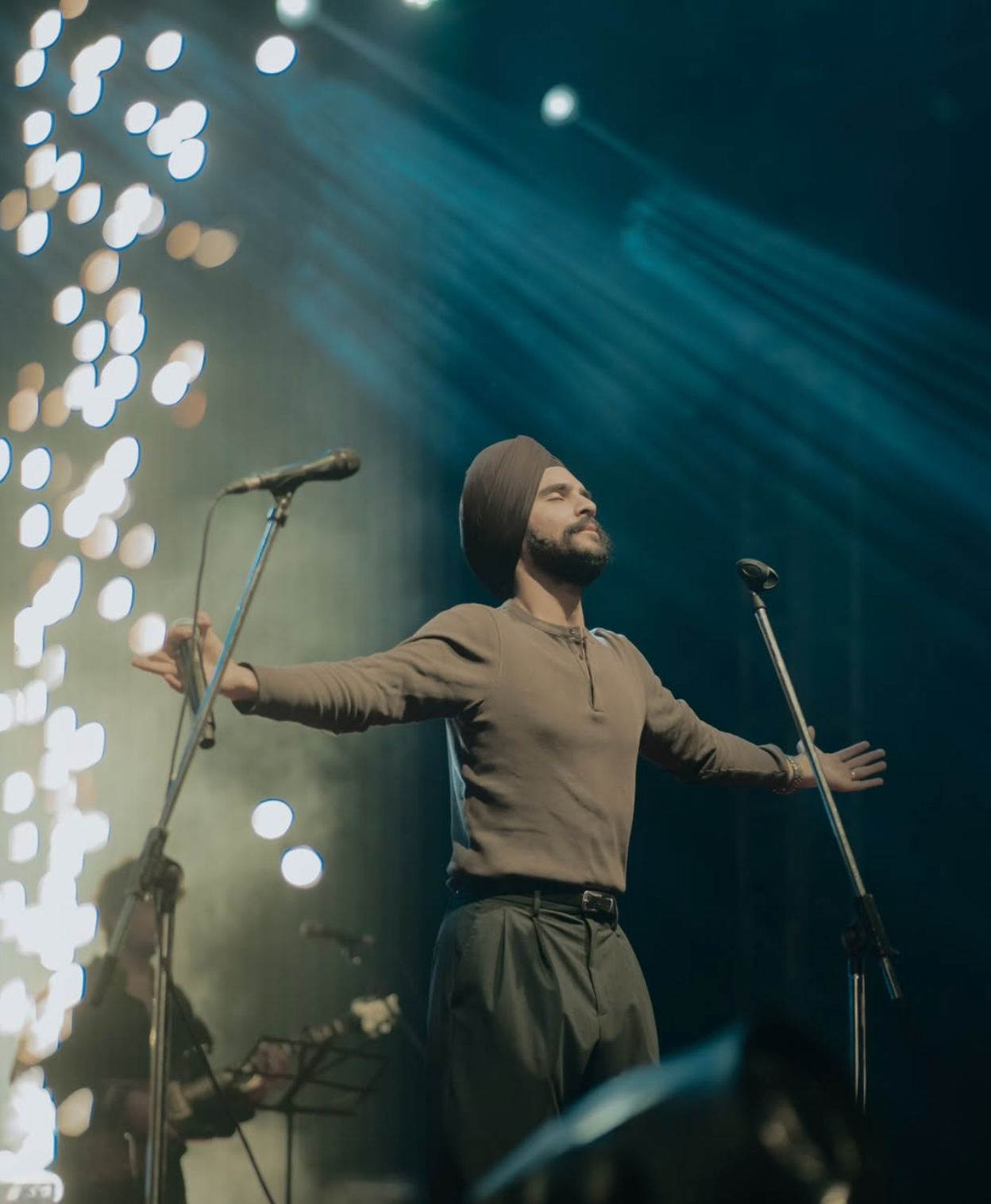
Music tourism is transforming the hospitality industry by enhancing guest experiences through unique offerings. Hotels are leveraging this trend to boost reservation rates and guest satisfaction by collaborating with local music venues.
In today’s competitive hospitality market, creating memorable guest experiences is essential. Hotels are increasingly partnering with nearby music venues to offer distinctive experiences that attract music enthusiasts. These collaborations not only enrich the stay for guests but also provide a competitive edge. By employing an efficient reserving engine, hotels can effectively manage guest influx during music events and festivals, ensuring seamless operations and satisfied customers.
Benefits of Music Tourism for Hotels
Music tourism offers numerous advantages for hotels. By aligning with local music venues, hotels can attract guests who are passionate about music, tapping into a growing market. Travelers often seek accommodations that enhance their event experience, and hotels can offer packages that include concert tickets or exclusive backstage tours.
These partnerships also open up opportunities for cross-promotion. Hotels can feature event schedules in their marketing materials, while venues might promote accommodation options. This synergy increases visibility and reaches broader audiences. Additionally, hosting events or providing transportation to concerts enhances the guest experience, fostering loyalty and repeat visits.
Creative promotional strategies, as you can read about if you check out this fun article, are another benefit that hotels could embrace. Hotels can organize themed nights or exclusive after-parties for concert-goers, creating memorable experiences that set them apart from competitors. These initiatives not only fill rooms but also build a reputation for being part of the local cultural scene.
Influence on Hotel Reservation Rates
Music tourism significantly impacts hotel reservation rates. During major concerts or festivals, hotels often see a spike in bookings as fans attend performances. This increase extends to pre-event nights as guests arrive early to enjoy the local scene before the main event.
This surge in bookings underscores the importance of hotel and music venue collaboration. By aligning promotional efforts and creating attractive packages, hotels can effectively capture this market segment. Integrating concert schedules into booking platforms simplifies the reservation process for guests, enhancing convenience and satisfaction.
These partnerships also help maintain off-peak occupancy rates. By hosting smaller events or workshops during quieter periods, hotels can ensure steady business throughout the year. This strategy maximizes revenue and establishes the hotel as a dynamic venue hub supporting local culture year-round.
The Role of Technology in Enhancing Guest Experiences
Technology plays a crucial role in enhancing guest experiences through music tourism. Advanced booking systems optimize reservations and ensure smooth operations during high-demand periods. These systems provide real-time updates on room availability and dynamic pricing strategies that maximize revenue without compromising guest experience.
Mobile apps further enhance guest convenience by providing seamless access to event information and hotel services. Guests can check in, order room service, check the dress code for events or book transportation to venues directly from their devices, minimizing friction during their stay.
Technology also improves communication between hotels and music venues. By integrating data systems, both parties can coordinate logistics effectively, ensuring transportation and accommodation align with event schedules. This coordination improves operational efficiency and enhances guest satisfaction by delivering a cohesive experience.
Strategies for Leveraging Music Tourism
Leveraging music tourism requires a strategic approach. Hotels should build strong relationships with venue operators to develop mutually beneficial marketing initiatives. Joint promotions offering bundled deals or exclusive access can attract guests seeking comprehensive travel experiences.
Social media is a powerful tool in these efforts. Sharing content from events or featuring artists performing at partnered venues creates buzz and engages audiences online. Encouraging user-generated content through contests or hashtags extends reach and builds community engagement around the brand.
Traditional media outlets can also be leveraged by sending press releases about significant partnerships or upcoming events. This outreach can attract attention from travel magazines or local news outlets interested in covering cultural happenings within the community.