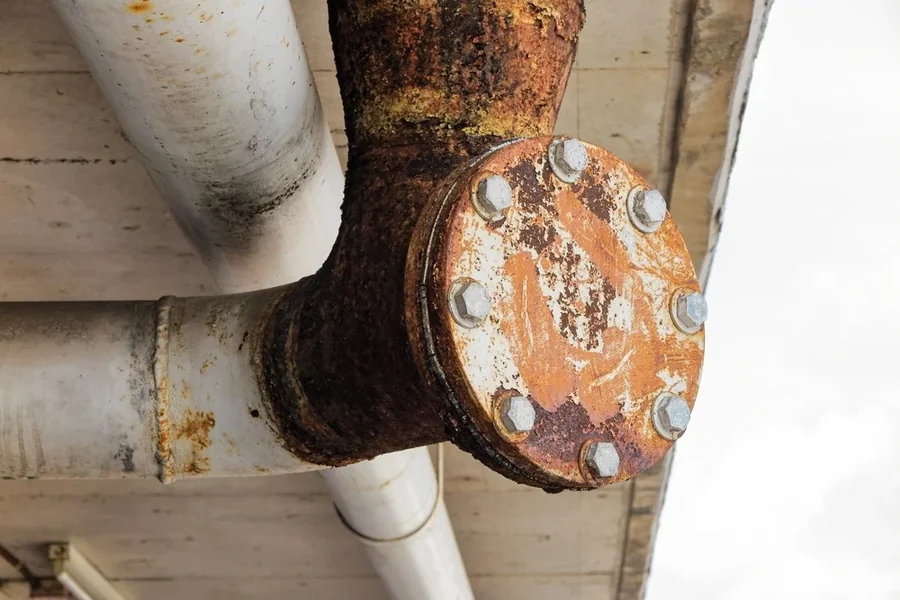
Metal structures are essential components of modern infrastructure, forming the backbone of buildings, transportation systems, industrial equipment, and public utilities. Despite their strength and durability, metals are naturally vulnerable to environmental elements that trigger corrosion. Moisture, oxygen, salt, chemicals, and fluctuating temperatures gradually weaken metal surfaces, leading to deterioration, structural instability, and costly repairs. One of the most effective ways to combat this issue is through corrosion resistant coatings, which act as protective barriers that shield metal from damaging conditions. By preventing chemical reactions that cause rust and degradation, these coatings significantly improve longevity, reliability, and performance across various industries.
Understanding Corrosion and Its Impact on Metal Structures
Corrosion is a natural electrochemical process that occurs when metals react with substances in their environment. Iron and steel, in particular, are prone to oxidation when exposed to oxygen and moisture, resulting in rust formation. Over time, rust compromises the integrity of metal by reducing thickness, weakening joints, and creating surface irregularities that accelerate further damage. In large structures such as bridges, pipelines, marine vessels, and industrial machinery, corrosion can lead to operational failures and serious safety hazards.
Environmental conditions greatly influence the speed and severity of corrosion. Coastal regions expose metal structures to salt-laden air that accelerates oxidation. Industrial zones introduce chemical pollutants that intensify material breakdown. Temperature variations cause expansion and contraction, creating small cracks where moisture can accumulate. Without protection, these factors steadily erode metal surfaces and increase maintenance demands.
Financial consequences are equally significant. Repairing or replacing corroded components often requires expensive labor, downtime, and material costs. Infrastructure projects may suffer delays, while industrial operations risk productivity losses. Preventive measures become far more cost-effective than reactive repairs, encouraging industries to adopt protective solutions that reduce long-term risks.
Corrosion resistant coatings provide a proactive defense by forming a durable layer that blocks environmental exposure. This barrier minimizes direct contact between metal surfaces and corrosive elements, slowing chemical reactions that lead to deterioration. As a result, structural components maintain strength and stability for extended periods, reducing maintenance frequency and operational interruptions.
How Corrosion Resistant Coatings Protect and Strengthen Surfaces
The effectiveness of corrosion resistant coatings lies in their ability to create multiple layers of defense. These coatings are engineered using polymers, epoxies, zinc-rich primers, and specialized compounds that adhere tightly to metal surfaces. Once applied, they form a continuous shield that prevents moisture penetration and blocks oxygen contact, two primary triggers of corrosion.
Some coatings function through barrier protection, sealing the surface from environmental exposure. Others provide sacrificial protection, where certain materials corrode in place of the underlying metal, preserving structural integrity. Advanced formulations combine both mechanisms to maximize protection in harsh conditions.
Durability is another advantage of corrosion resistant coatings. They enhance resistance to abrasion, chemical exposure, and ultraviolet radiation, allowing metal structures to withstand demanding operational environments. Industrial machinery operating under heavy loads, offshore platforms exposed to saltwater, and pipelines carrying corrosive substances benefit significantly from these protective layers.
Modern coatings also improve surface strength by reducing micro-cracks and imperfections that allow moisture infiltration. Smooth and sealed surfaces are easier to clean and maintain, preventing contaminants from accumulating and accelerating wear. This contributes to better performance and prolonged service life for equipment and infrastructure.
Application techniques further enhance effectiveness. Methods such as spray coating, powder coating, and electrochemical deposition ensure uniform coverage and strong adhesion. Proper surface preparation, including cleaning and sandblasting, allows coatings to bond securely, preventing peeling or premature degradation. With correct application, corrosion resistant coatings can last for many years without significant performance decline.
Long-Term Performance Benefits Across Industries
Numerous industries rely on corrosion resistant coatings to protect valuable assets and ensure uninterrupted operations. In construction and civil engineering, steel frameworks, bridges, and reinforced concrete structures depend on protective coatings to withstand environmental stress. These treatments prevent premature deterioration, preserving safety and reducing costly structural repairs.
The marine sector faces particularly aggressive conditions, where saltwater and humidity rapidly corrode exposed metal. Ships, offshore platforms, and port equipment use specialized coatings designed to endure continuous water exposure and intense weather conditions. These solutions extend service life while minimizing maintenance downtime.
Oil and gas operations also depend on durable protection systems. Pipelines transporting crude oil and chemicals encounter corrosive substances that threaten structural integrity. Storage tanks and processing facilities operate under high temperatures and pressure, increasing vulnerability to material degradation. Corrosion resistant coatings provide essential protection that maintains operational safety and prevents leaks or failures.
Transportation infrastructure benefits similarly. Aircraft components, railway systems, and automotive frames require protective layers to withstand environmental exposure and mechanical stress. Coatings help preserve structural performance while improving appearance and reliability over time.
Energy facilities, including power plants and renewable installations, rely on coatings to protect equipment exposed to moisture, heat, and chemicals. Wind turbines and solar panel frameworks operate outdoors year-round, making protective treatments essential for longevity and efficiency.
Economic and Environmental Advantages of Protective Coating Systems
Investing in corrosion resistant coatings offers substantial economic benefits by reducing maintenance costs and extending asset lifespan. Protective layers minimize the need for frequent repairs, replacements, and operational shutdowns. Businesses experience improved productivity when equipment remains functional for longer periods without unexpected failures.
Infrastructure owners also benefit from lower lifecycle costs. Bridges, highways, and public facilities require fewer rehabilitation projects when protective systems are applied during construction. Governments and municipalities can allocate resources more efficiently while maintaining public safety and service reliability.
Environmental sustainability is another important advantage. Manufacturing new metal components consumes significant energy and raw materials, contributing to carbon emissions and resource depletion. Extending the life of existing structures through corrosion protection reduces waste and minimizes environmental impact. Fewer replacements mean lower demand for mining, processing, and transportation of materials.
Advanced coating technologies increasingly incorporate eco-friendly materials that reduce harmful emissions during application. Water-based formulations and low-volatile organic compound solutions improve workplace safety while supporting environmental regulations. These innovations align industrial protection strategies with modern sustainability goals.
Protective coatings also improve energy efficiency in certain applications. Smooth surfaces reduce friction in pipelines and mechanical systems, allowing operations to run more efficiently. Reflective coatings can regulate surface temperatures, lowering cooling requirements in exposed structures. These added benefits further enhance the value of corrosion prevention strategies.
Corrosion resistant coatings remain one of the most practical and reliable solutions for preserving metal structures across diverse industries. Their ability to block environmental exposure, strengthen surfaces, and reduce maintenance demands ensures long-term durability and operational stability. As technology advances, protective systems continue to improve in performance, sustainability, and adaptability, helping industries safeguard valuable assets while controlling costs. Metal structures treated with corrosion resistant coatings are better equipped to withstand environmental challenges, ensuring they remain strong, safe, and efficient for years to come.