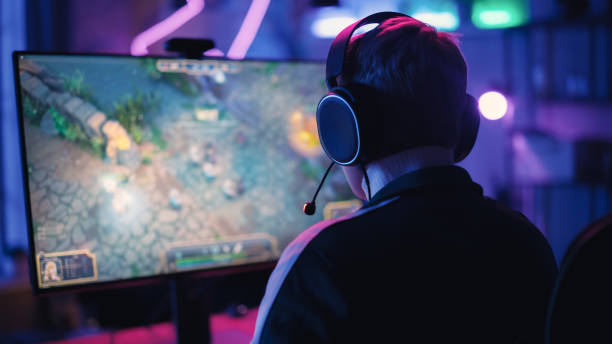
Online gaming was once something people primarily experienced by playing. Today, millions also experience games by watching livestreams, tutorials, reviews, competitive events, challenge videos, and creator highlights. Streaming has transformed gameplay into a form of entertainment that can attract spectators as well as active players.
This shift has helped online games reach wider audiences, build stronger communities, and remain culturally relevant long after their initial release. It has also changed how players discover titles, learn strategies, evaluate purchases, and interact with other enthusiasts.
Streaming Makes Games Easier to Discover
Traditional slot advertising can show a game’s graphics and major features, but streaming demonstrates what playing it actually feels like. Viewers can observe the pace, controls, difficulty, multiplayer environment, progression system, and technical performance before deciding whether to participate.
That visibility is especially valuable in a crowded gaming market. A relatively unknown title can gain attention when creators begin producing entertaining content around it. Similarly, an established game can experience renewed interest after an update, tournament, challenge, or viral streaming moment.
The scale of this audience is substantial. YouTube Gaming recorded approximately 8.8 billion hours watched during 2025, representing a 12% year-on-year increase, according to Stream Hatchet. The platform accounted for roughly one-quarter of live gaming hours watched across the services included in its analysis.
Watching Often Leads to Playing
Gaming streams are not necessarily substitutes for gameplay. In many cases, watching encourages viewers to open the game themselves.
Research examining the relationship between livestream viewing and game usage found that a 10% increase in minutes spent watching streamed content was associated with a 3.08% increase in subsequent gameplay time for the title studied. The researchers also found that the effect varied according to the type of creator viewers followed.
Several factors can explain this connection. A stream may remind existing players about a game, explain an unfamiliar mechanic, showcase new content, or make multiplayer participation appear more approachable. Viewers can see mistakes, strategies, and genuine reactions rather than relying entirely on edited promotional material.
Creators Turn Games Into Ongoing Stories
A slot depo 5k game may have a defined campaign or a limited set of competitive modes, but streamers can continually create new narratives around it. Speed runs, unusual challenges, role-playing sessions, ranked climbs, community tournaments, and cooperative experiments give familiar games fresh contexts.
Creator personality is often as important as the game itself. Viewers may return because they enjoy the streamer’s humour, commentary, expertise, or interaction with the audience. This allows one title to support many different viewing experiences.
Streaming therefore extends the cultural life of online games. Even viewers who no longer play regularly may continue following updates, competitive scenes, or favourite creators. They remain connected to the game’s wider community and may return when new content appears.
Live Interaction Creates Stronger Communities
Streaming is more participatory than conventional broadcasting. Live chat, polls, reactions, subscriptions, channel rewards, and collaborative streams allow viewers to influence or respond to what happens.
A single broadcast can become a meeting place for players with shared interests. Experienced viewers answer questions, discuss updates, recommend strategies, and form teams. These relationships may continue through forums, social platforms, private servers, and in-game groups.
Streaming platforms have increasingly developed features around this community behaviour. Twitch describes its service as a place where creators and viewers build communities, while tools such as shared chat and combined collaborative viewership are designed to strengthen interaction across channels.
For online games, active communities are valuable because multiplayer participation depends on having people to play with, learn from, and compete against.
Esports Has Become More Accessible
Streaming has also played a central role in the expansion of esports. Competitive gaming previously depended heavily on physical venues, specialist television coverage, or downloadable recordings. Livestreaming allows tournaments to reach international audiences immediately.
Viewers can watch professional matches, follow individual competitors, switch between perspectives, and listen to expert commentary. Co-streaming lets approved creators provide alternative commentary for their own communities, making major events accessible to audiences who may not follow traditional esports broadcasts.
Twitch now supports combined audience measurement for approved co-streams of large esports events, game announcements, and other special broadcasts. This reflects how creator-led coverage has become part of the distribution model for major gaming events.
Streaming Supports a Broader Gaming Economy
Streaming has created economic opportunities beyond game sales. Creators may earn revenue through advertisements, subscriptions, viewer contributions, sponsorships, affiliate arrangements, and merchandise.
Publishers can use creator campaigns to introduce updates or reach specialist communities. Tournament organisers gain distribution, while gaming hardware companies can demonstrate products in realistic settings. YouTube has continued introducing live-stream monetisation tools intended to help creators earn without completely interrupting broadcasts.
However, viewers should distinguish between independent opinions and sponsored promotion. A creator may genuinely enjoy a game while still being paid to feature it. Clear disclosures help audiences evaluate recommendations more carefully.
Streaming Can Distort Player Expectations
The influence of streaming is not entirely positive. Popular broadcasts and short clips often highlight rare victories, dramatic reactions, exceptional skill, or unusually entertaining situations. They may not represent the experience of an average player.
Highly skilled competitors can make difficult games appear easier than they are. Edited highlights may hide repetitive sections, failed attempts, technical problems, or ordinary losses. In games involving randomised rewards or gambling mechanics, watching exceptional outcomes can create particularly unrealistic expectations.
Players should therefore use streams as one source of information rather than treating them as complete evidence. Reviewing gameplay from several creators, checking game rules, and examining independent user feedback can provide a more balanced impression.
Final Thoughts
Streaming has helped online gaming grow by turning games into entertainment, communities, learning resources, and spectator events. It connects discovery with participation and gives both new and established titles opportunities to reach global audiences. Its greatest influence may be the removal of the boundary between player and spectator. People can watch, learn, discuss, compete, and eventually participate within the same digital ecosystem. For gaming enthusiasts, understanding that influence makes it easier to enjoy creator content while making independent, informed decisions about what to play.