
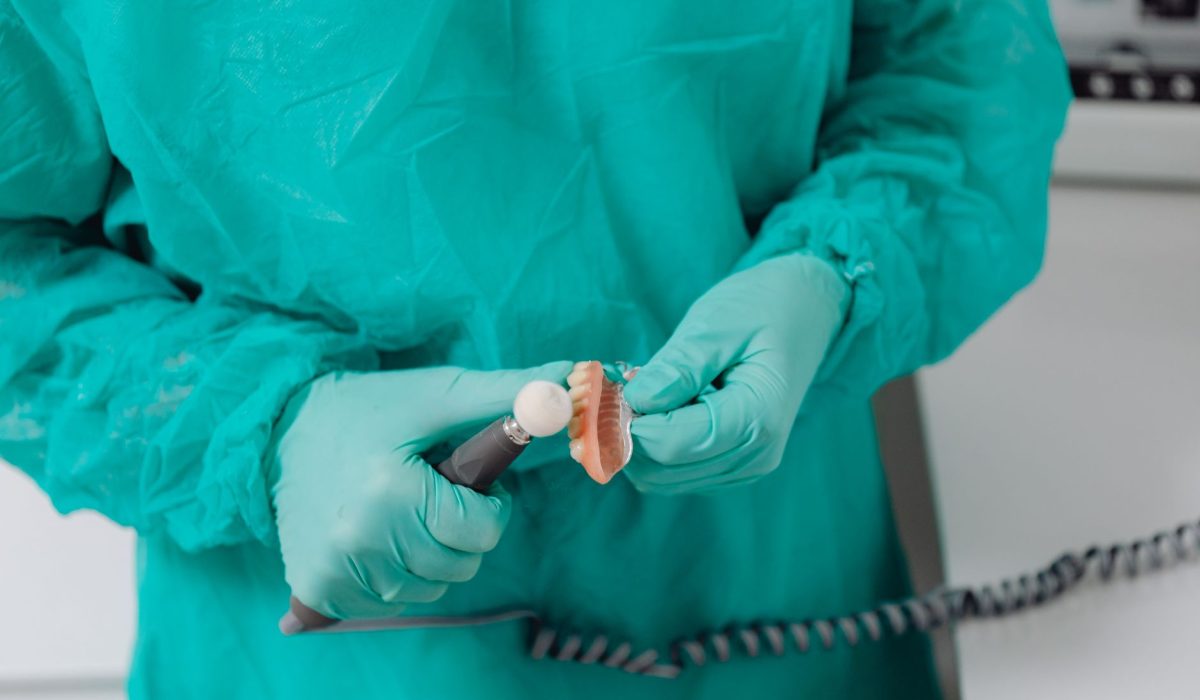
‘Fake teeth in Turkey’ is one of the most searched dental tourism phrases in the UK, and the phrase itself is the problem. It grew out of social media coverage of dramatic cosmetic transformations, and it carries an implication that something artificial or substandard is being fitted. Clinically, there are no fake teeth. What patients receive are laboratory-fabricated ceramic restorations made from the same materials, by the same processes, as the work produced in the UK, Germany, and across Europe. This guide explains what the treatments actually are, and how to work out which one is appropriate for you.
Where the Phrase Came From
The ‘Turkey teeth’ phenomenon became visible from around 2019, as influencers and ordinary patients started posting before-and-after photographs from dental tourism trips. Media coverage followed, and much of it was imprecise. Some commentators described the treatments as fake or dangerous, generally by taking genuinely poor cases — where healthy tooth structure had been removed unnecessarily — and presenting them as representative of the whole market.
That framing collapsed a real clinical concern into a national stereotype. The overwhelming majority of patients treated in Turkey receive the same procedures their local dentist could have performed, using the same materials, at a significantly lower price. The legitimate criticism is about over-preparation at particular clinics, and it deserves to be discussed on those terms.
What the Treatments Actually Are
Dental crowns are the treatment most associated with the conversation. A crown is a ceramic cap covering a prepared tooth, restoring shape, strength, and appearance. Modern crowns are made from zirconia or E-max ceramic: metal-free, biocompatible, and effectively indistinguishable from natural teeth both in photographs and in person.
Veneers are thinner ceramic shells bonded to the front surface of natural teeth, altering shape, size, and colour without covering the whole tooth. Appropriate where the underlying teeth are structurally sound and the goal is cosmetic.
Composite bonding is direct resin applied in one appointment with no laboratory stage. It is the least permanent cosmetic option, requires no tooth preparation, and is fully reversible — which makes it well suited to younger patients and to anyone wanting improvement without commitment.
Implant-supported crowns and bridges replace missing teeth with a titanium post and a ceramic crown. Functionally the closest thing to a natural tooth, in both bite force and cleaning requirements.
Full removable dentures are the only option that genuinely fits the description of artificial teeth in the traditional sense. Even in Turkey’s dental tourism market they are increasingly displaced by fixed implant-supported alternatives as patients understand the long-term differences.
Prices for the Common Restorations
|
Country / Region |
Average Cost |
Notes |
|
Zirconia Crown |
€300 – €400 |
Most requested; all-ceramic; 15–20 year lifespan |
|
E-max Veneer |
€250 – €350 |
Front teeth; highest translucency; 10–15 years |
|
Composite Bonding |
€150 – €250 |
Same-day; no lab; 5–7 years; reversible |
|
Single Implant + Crown |
€1,100 – €1,300 |
Missing tooth replacement; permanent fixture |
How Permanent Is Any of It?
• Zirconia and E-max crowns or veneers. Long-lasting at 10 to 20 years with proper care, but not technically permanent. All ceramic can eventually wear or chip and may need replacing.
• Composite bonding. Medium-term at five to seven years. More prone to staining and minor chipping than ceramic.
• Dental implants. The titanium post is a permanent fixture in most cases. The crown on top may need replacing after 15 to 20 years.
• Removable dentures. Need rebasing or replacement every five to ten years as the underlying bone changes shape.
The Substance Behind the Controversy
The criticism of ‘Turkey teeth’ has centred on cases where significant healthy tooth structure was removed to place crowns on teeth that could have been treated conservatively with veneers or bonding. That is a legitimate concern, and it should not be waved away. Over-preparation is a real risk, and it happens when the wrong treatment is selected for the clinical situation — sometimes through poor judgement, sometimes because crowns are more profitable than bonding.
The answer is not to avoid treatment in Turkey. It is to choose a clinic that works from clinical need rather than package templates. Dental Harmony Turkey’s zirconia crown antalya protocol specifies the clinical indication for crown placement against more conservative alternatives, on the principle that any treatment plan should represent the minimum appropriate intervention for each individual tooth.
Questions to Ask Before Committing
• Why is a crown recommended for this specific tooth rather than a veneer or bonding?
• How much tooth structure will be removed in preparation?
• Can I see the physical shade guide before the shade is finalised?
• What is the warranty period for each restoration?
• What is the procedure if a crown chips or debonds after I return home?
A clinic that welcomes the first question is one you can work with. A clinic that treats it as an obstacle is telling you how the treatment plan was constructed.
Final Thoughts
Fake teeth in Turkey are, clinically, real ceramic restorations at accessible prices. The controversy around the phrase reflects genuine concerns about over-treatment at poorly managed clinics rather than any problem with the treatments or materials themselves. Patients who arrive with clear expectations, the right questions, and a carefully chosen clinic have, in the overwhelming majority of documented cases, an excellent outcome. Dental Harmony Turkey is one of the established options for patients seeking the Best Dental Clinic in Antalya with a transparent, conservative, clinically led approach to every case.